Read Anything
School makes us study “literary texts” but is that really what we should be reading? Our advice for students and parents: read anything.
Reading and writing are arguably the most important skills we learn at school. If we can understand what we read, we can learn almost anything through textbooks, guides and non-fiction. If we can be discerning about what we read, we can avoid believing in false stories. If we can write persuasively, we can advocate for our needs and leverage the attention of others.
But do we really learn these things “at school?”
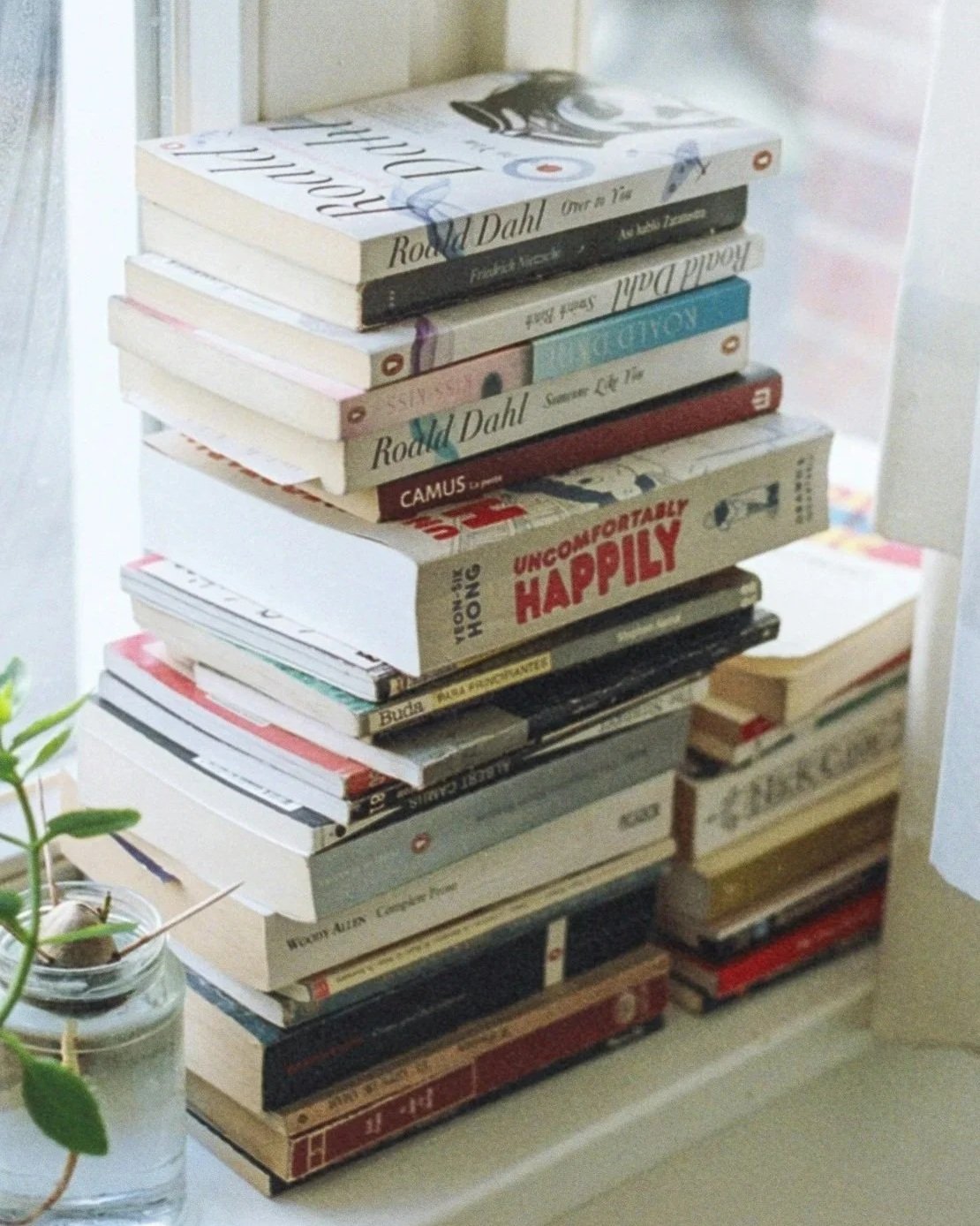
While school contributes the lion’s share of progress in student’s reading and writing, students who don’t also read for fun come up a little short. We can tell when students have only read the books assigned to them at school (or maybe not even those).
There are many tropes, cliches and aspects of genre that you can only incorporate in your own work once you’ve read them multiple times elsewhere. How else would you know that a wizard speaks in a “booming” voice, rather than just a loud one. How would you know that your heart stopping is a bad thing, but your heart skipping a beat is a good thing? How else would you know when to use “darted” as opposed to “rushed,” “ran,” “fled,” or “streaked”?
Broad knowledge of the literary tradition that precedes us allows to leverage the expectations of our readers. Students must know when to follow the well-trodden path to increase their clarity and reduce unnecessary explanations. They must also know when to flip expectations and make a point.
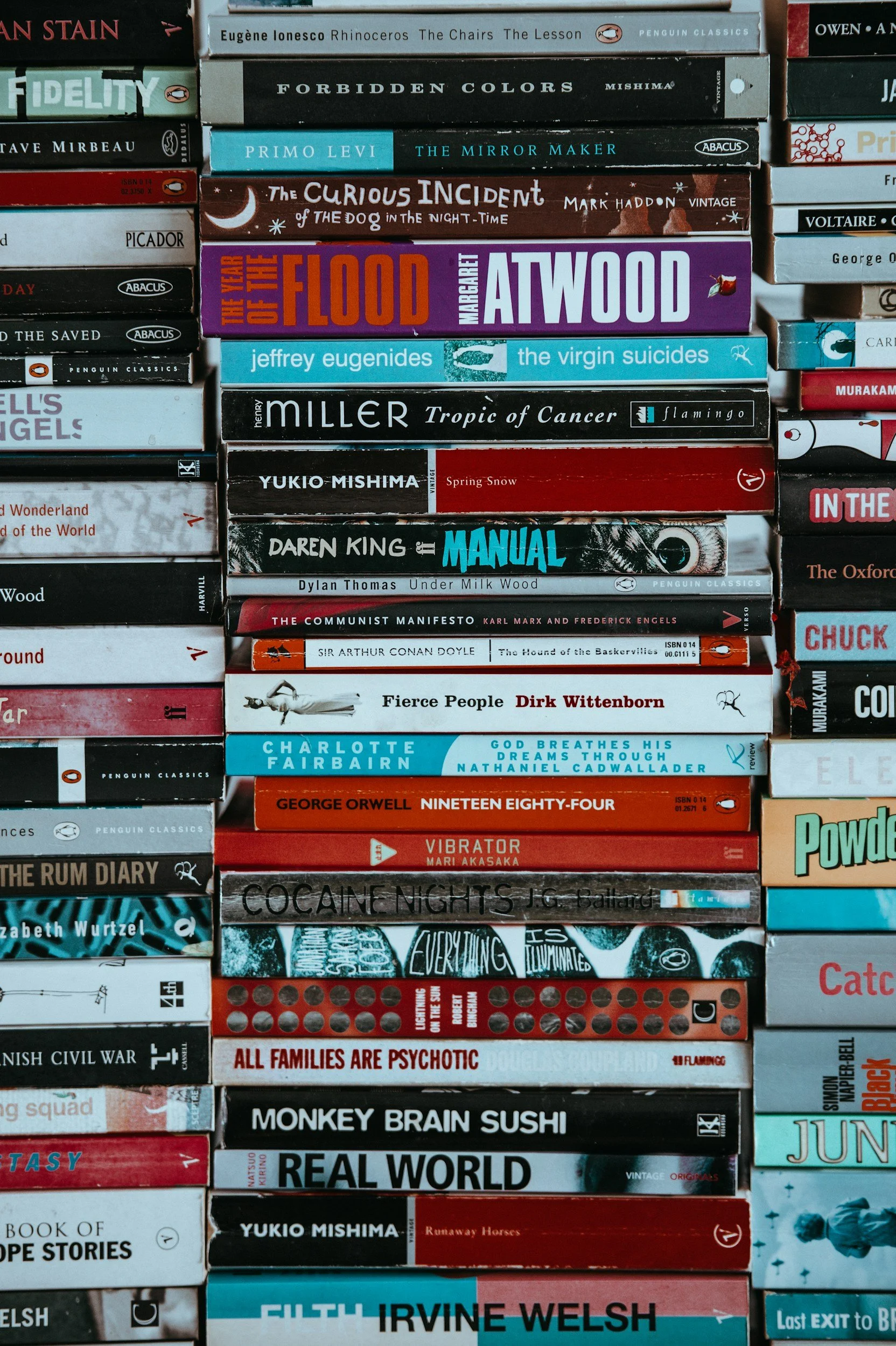
It’s easy to get caught up in wanting to read only the most prestigious texts in hopes that your writing style will sound like the great authors’, but that is too difficult a feat for most students (and adults) to achieve. Plus, you’ll sound like you just crawled out of the last century, which isn’t what most people want to read. Not to worry! All the great turns of phrases have been reused, remixed and reimagined by every author that has come since. It’s much more important to read a great volume of texts than it is to read a great text.
The biggest obstacle is the choice to read over the other options we have available. I’d certainly rather watch videos than read the encyclopedia. However, when I’m hooked on a good book, I look forward to reading it all day. Make the choice to read easier by following your heart and picking something you enjoy.
Final tips:
Don’t pressure yourself to finish books you don’t like
Reread books you already love
You can watch the movie first to see if you like it and read the book afterwards (The Maze Runner, Ready Player One, The Fault in our Stars, etc)
Pictures don’t prevent mangas and comics from being reading
Novellas and light novels can often be read in one sitting
So read what you like: read trash, read fanfiction, read romance, read children’s books and hero stories. All that matters is that you read as much as possible.
PS: Audiobooks totally count!
What books are we currently recommending? See our new article.